


Is It Safe to Wear Night-Vision or Tinted Goggles While Snowmachining Between Villages in Low Light?
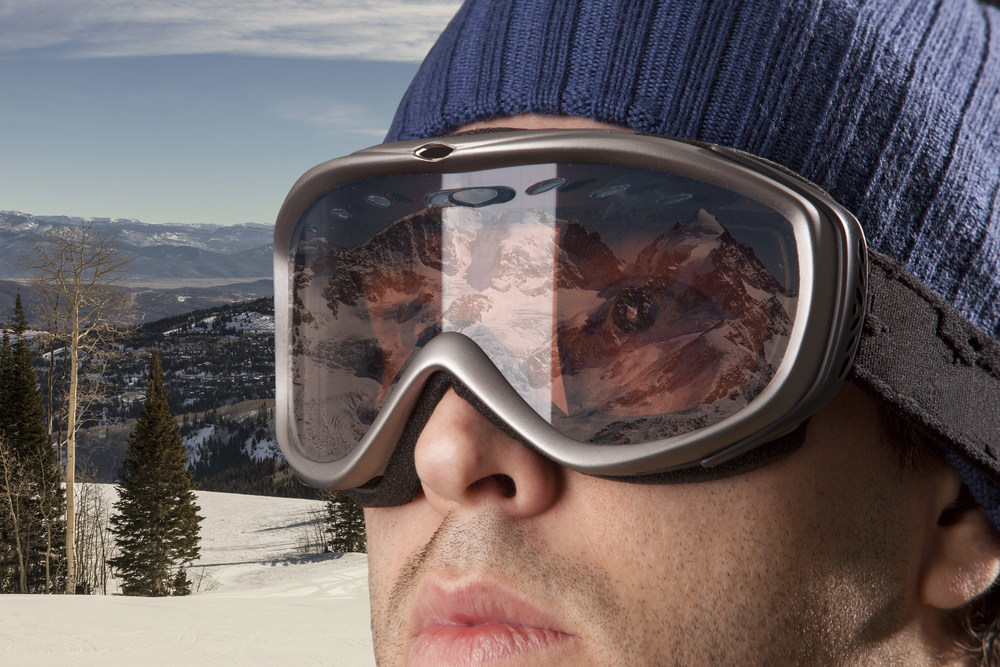
Snowmachining between rural Alaska villages can mean traveling through rapidly changing visibility conditions. Dusk, flat light, blowing snow, and the extended darkness of polar night can make familiar trails much harder to read. While tinted or so-called night-vision goggles may sound helpful, choosing the wrong lens can actually make low-light visibility worse. At Last Frontier Eye Care, we want riders throughout the Norton Sound region to understand how eyewear can affect safety before heading out on winter trails.
Why Dark Tints Can Be Risky in Low Light
Tinted lenses reduce the amount of visible light reaching your eyes. That can be helpful when bright sunlight reflects off snow and ice, but it becomes a problem after sunset or during very dim conditions.
When snowmachining at dusk or during polar night, darker goggles may make it harder to recognize trail markers, uneven terrain, overflow, ice changes, people, animals, or obstacles ahead. Even yellow or amber "night-driving" lenses should be approached carefully because adding tint does not create more available light. True electronic night-vision equipment should also never be treated as a replacement for clear vision, appropriate headlights, and safe riding practices.
Flat Light Creates Different Challenges
Flat light occurs when clouds, snow, and diffuse lighting reduce shadows and contrast. The trail may appear almost completely white, making dips, drifts, ridges, and changes in terrain difficult to judge.
Riders traveling between villages should be especially cautious when conditions include:
• Dusk, dawn, or extended winter darkness
• Flat light that hides changes in snow depth or terrain
• Blowing or falling snow that reduces contrast
• Fogging, icing, or frost on goggles
• Bright glare from snow followed by sudden darker areas
• Difficulty seeing trail markers, overflow, or other riders
Slowing down and choosing eyewear appropriate for the current lighting conditions is important. If visibility becomes unsafe, changing goggles or waiting for conditions to improve may be safer than continuing with a lens that limits your vision.
Choosing Protective Eyewear for Snowmachining
For very low-light riding, clear lenses typically allow more available light through than heavily tinted lenses. During brighter daytime conditions, appropriate tinting or polarization may help control reflected glare. The best option can depend on when you ride, your prescription, your sensitivity to glare, and whether you regularly move between bright snow and darkness.
Protective eyewear should also provide coverage from cold wind, blowing snow, ice particles, and debris. A secure fit and good anti-fog performance are particularly important during long rural trips.
When to Have Your Vision Checked
If you find yourself struggling to recognize trails, seeing halos or glare, or having difficulty adapting from bright conditions to darkness, an eye exam may identify an outdated prescription or an underlying vision problem.
For villagers who regularly travel rural trails, making the trip into Nome for a comprehensive eye exam can also be an opportunity to discuss specialized protective lens options for snow, wind, glare, and low-light conditions. We can evaluate your individual vision needs and help you determine what type of eyewear makes sense for the way you travel.
For eye exams and help selecting eyewear for Alaska's demanding winter conditions, contact Last Frontier Eye Care to schedule an appointment. Contact our office in Nome, AK, or call (907) 443-3553 today.


© 2026 Last Frontier Eye Care . All Rights Reserved. Accessibility Statement - Privacy Policy - Sitemap
Powered by: 