


Why Are My Child’s Eyes Hurting After Winter Snowmobile Rides Across the Tundra?
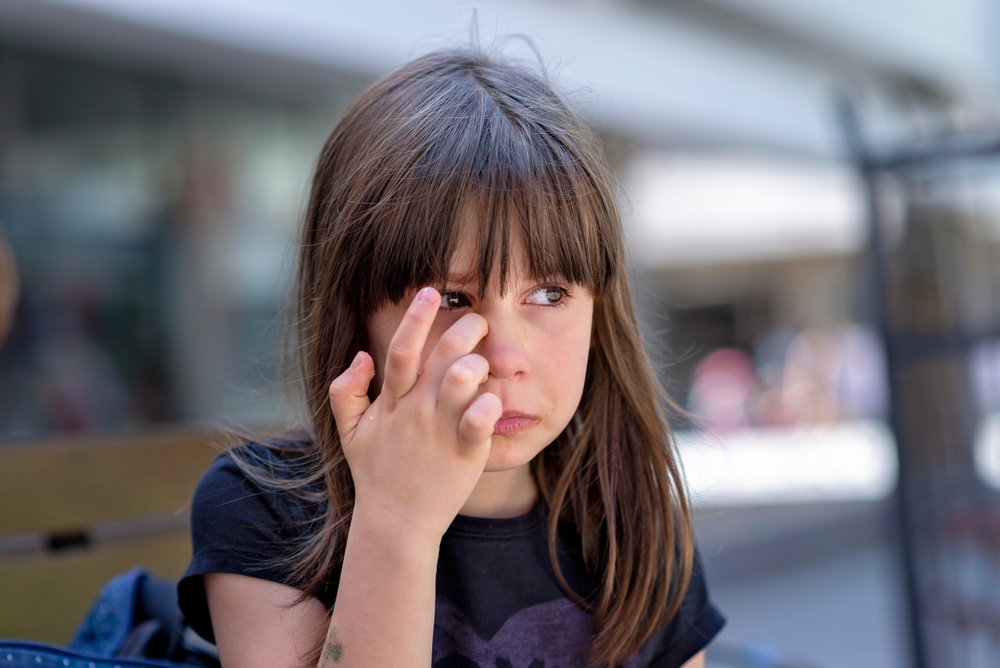
Winter snowmobile rides are part of life and recreation across rural Alaska, but bright snow, strong wind, and extreme cold can be surprisingly hard on a child's eyes. If your child comes home from a ride complaining of burning, watering, light sensitivity, or eye pain, the discomfort should not automatically be dismissed as simple irritation. Two possible causes are photokeratitis, commonly called snow blindness, and irritation from prolonged exposure to cold, dry wind.
Photokeratitis: When Snow Reflects UV Into the Eyes
Photokeratitis is essentially a sunburn of the cornea caused by excessive ultraviolet exposure. Snow can reflect a significant amount of UV radiation, increasing the amount that reaches the eyes. Symptoms may not appear immediately and can develop several hours after exposure.
Children experiencing snow blindness may complain of:
• Burning, gritty, or painful eyes
• Excessive tearing
• Redness
• Sensitivity to light
• Blurry vision
• Difficulty keeping their eyes open
Because snowmobile riders may spend extended periods surrounded by highly reflective snow, proper UV-blocking eyewear is especially important.
Can Cold Wind Hurt the Cornea?
Fast-moving cold air can also dry and irritate the surface of the eye. What parents may describe as a "cold-wind corneal burn" can involve excessive exposure of the cornea to harsh environmental conditions. Prolonged ocular surface exposure can damage or irritate the cornea, particularly when the tear film cannot keep the eye adequately protected. A child may notice stinging, dryness, redness, excessive watering, or a feeling that something is stuck in the eye after a long ride.
Proper Eyewear Makes a Difference
Regular sunglasses may not provide enough protection for riding across the tundra. Children should wear properly fitted goggles or protective eyewear that blocks UVA and UVB rays while also shielding their eyes from direct wind, blowing snow, ice particles, and debris.
Wraparound coverage is particularly helpful because sunlight and wind can reach the eyes from the sides as well as from directly ahead. Impact-resistant lenses are also important when participating in high-speed outdoor activities.
Make sure your child's goggles fit comfortably and securely. Eyewear that constantly slips, fogs excessively, or leaves large gaps may be less effective and more likely to come off during a ride.
When Does Your Child Need an Eye Exam?
Eye pain after outdoor exposure deserves attention, especially when symptoms are severe or persistent. Intense pain, noticeable changes in vision, significant redness, or excessive watering are reasons to seek prompt professional care. A pediatric eye exam can also help us evaluate your child's vision and overall eye health before winter activities begin. At Last Frontier Eye Care, we provide eye exams for children and can help families find appropriate vision correction and eyewear options for their needs.
If winter snowmobile rides are leaving your child's eyes red, painful, or sensitive to light, schedule an eye exam with Last Frontier Eye Care so we can help protect their vision through another Alaska winter. Visit our office in Nome, AK, or call (907) 443-3553 to book an appointment today.


© 2026 Last Frontier Eye Care . All Rights Reserved. Accessibility Statement - Privacy Policy - Sitemap
Powered by: 