


How Do Long Polar Nights and Artificial Light Affect Dry Eye Flare-Ups in Nome?
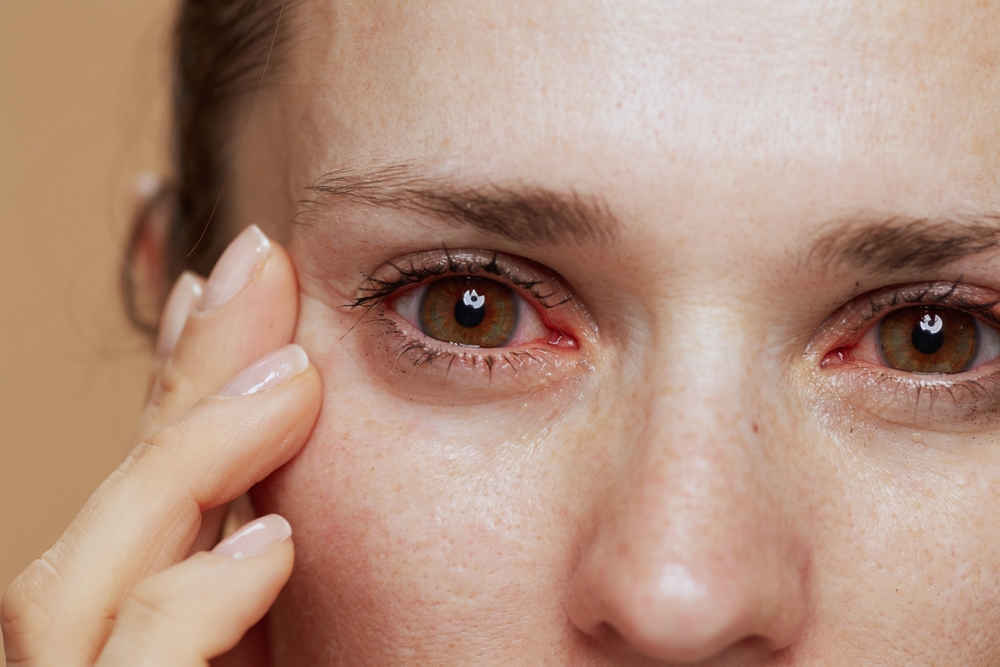
Winter in Nome brings extremely short daylight hours, long stretches of darkness, cold outdoor conditions, and plenty of time spent inside heated buildings. While these conditions are a normal part of life in the Far North, they can create a difficult environment for people with chronic dry eye. If your eyes feel more irritated, gritty, or tired during the darkest months of the year, your surroundings may be contributing to the problem.
Why Dry Eye Can Feel Worse During Nome Winters
Cold outdoor air typically holds less moisture, while indoor heating can further reduce humidity. Moving between these environments can cause tears to evaporate more quickly, leaving the surface of the eyes less protected.
During Nome's long winter nights, people also tend to spend more time indoors. Furnaces, heaters, and forced-air systems may keep homes and workplaces comfortable, but the warm, dry air can contribute to dry eye flare-ups.
Common winter dry eye symptoms include:
- Burning, stinging, or gritty sensations
- Red or irritated eyes
- Watery eyes caused by reflex tearing
- Blurry or fluctuating vision
- Sensitivity to light
- Tired eyes after reading or screen use
Symptoms that repeatedly return throughout the winter may indicate an underlying tear film or meibomian gland problem rather than temporary irritation alone.
Does Artificial Light Cause Dry Eye?
Artificial light itself is not usually the primary cause of dry eye. However, the habits associated with spending long hours under indoor lighting can make symptoms worse.
With less natural daylight available, people may spend more time reading, working at computers, watching television, or using phones and tablets. When concentrating on screens, we tend to blink less frequently or incompletely. Blinking is essential because it spreads fresh tears across the eye and helps release protective oils from the eyelid glands.
Reduced blinking allows the tear film to break up faster. For someone who already has dry eye, this can lead to noticeable irritation by the end of the day.
Protecting Your Eyes During Long Winter Darkness
Small changes can help reduce seasonal irritation. Consider using a humidifier indoors, avoiding direct airflow from heaters, taking regular breaks during screen use, and making a conscious effort to blink fully. Drinking enough water and using appropriate lubricating eye drops may also provide temporary relief.
However, persistent symptoms should be evaluated. Chronic dry eye can have several causes, including inflammation, poor tear production, and dysfunction of the meibomian glands that produce the oily layer of the tear film.
Dry Eye Treatment in Nome
At Last Frontier Eye Care, we evaluate the factors contributing to each patient's dry eye symptoms so treatment can be tailored accordingly. Depending on your condition, management may include at-home care or advanced options such as Intense-Pulse Therapy, LipiFlow, and Punctal Plugs.
Nome's winter environment may be unavoidable, but ongoing burning, gritty eyes, and fluctuating vision do not have to become part of your winter routine.
If dry eye flare-ups are making Nome's long winter months uncomfortable, schedule an evaluation with Last Frontier Eye Care in Nome, Alaska, at (907) 443-3553 to find a treatment plan suited to your eyes and environment.


© 2026 Last Frontier Eye Care . All Rights Reserved. Accessibility Statement - Privacy Policy - Sitemap
Powered by: 